A Vietnam student visa (DH) allows foreign students to enter and legally stay in Vietnam for study purposes at universities and accredited educational institutions. To apply, you need an official admission letter from a Vietnamese school, a valid passport, and supporting documents depending on your case. The DH visa is typically issued for 3 to 12 months and can be extended while you continue your studies. In many cases, students may later apply for a temporary residence card for longer stays.
A Vietnam student visa, commonly shown as visa code DH, is issued for foreign nationals who have a confirmed study plan with an eligible Vietnamese school. It allows you to enter Vietnam and remain legally for study purposes, and in many cases, it can be extended while you continue your program.
In practice, DH visas are often issued for 3–12 months, depending on your program and the sponsor school’s submission. Many students later choose to move from repeated visa extensions to a longer-term solution such as a temporary residence card (TRC) for students, if eligible and supported by the school.
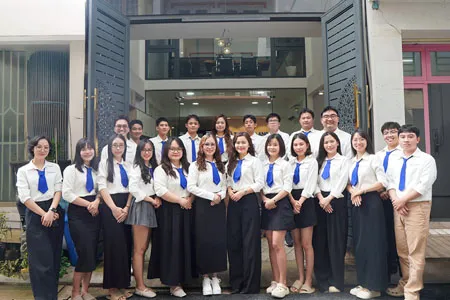
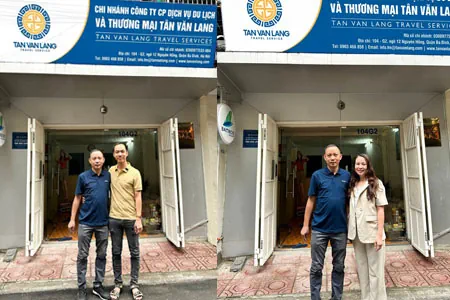
Trusted Visa Services for Foreigners at Tan Van Lang
To qualify for a Vietnam student visa, you’ll usually need:
Admission/acceptance letter (or enrollment confirmation) from a Vietnamese school recognized/eligible to sponsor international students
Passport validity: at least 6 months remaining from your intended entry date, and at least 2 blank pages
Clear study purpose and plan (program, duration, school details)
No entry ban under Vietnamese immigration rules
Financial ability to cover tuition and living costs (not always requested in every case, but may be checked depending on the case and the authority handling it)
Extra notes that often apply:
For certain specialized fields (healthcare, security-related programs, etc.), you may face additional checks.
For students under 18, a guardian arrangement/parental consent may be required.
If you want the safest approach, treat your school sponsorship as the “core requirement.” Without it, DH issuance becomes difficult.
Admission/acceptance letter (original or certified copy, depending on the channel)
Supporting documents (case-by-case)
Proof of accommodation in Vietnam (dorm address, lease, host confirmation)
Study plan (program, duration, course/faculty information)
Health check (only when requested)
Financial proof (bank statement, sponsor letter) if requested
Practical compliance tip (very important)
If your documents are issued outside Vietnam, you may need consular legalization + translation + notarization into Vietnamese (or English, depending on the receiving authority). Prepare this early, especially during peak intake seasons.
There are a few workable routes. Which one is best depends on where you are and how your school handles sponsorship.
Step 1: Prepare your documents
Gather everything from the checklist above. If you’re missing the admission letter, finalize enrollment with your school first—your file won’t move forward without it.
Step 2: Choose the submission method
Option A: Apply via school-sponsored entry approval (common for students)
Many schools submit the sponsorship/entry paperwork through their official accounts. Once approved, you can receive the visa at:
a Vietnamese embassy/consulate, or
in some cases, at an international airport in Vietnam (depending on the approved arrangement and your case)
Option B: Apply online through Vietnam public service portals
Vietnam’s public service platforms allow online filing for certain immigration procedures. For example, the official portals describe online submission workflows and timelines for immigration processing.
Option C: Apply through a professional visa service (recommended if you want fewer risks)
If you don’t want to deal with document formatting, back-and-forth requests, or tracking systems, a service team can:
verify the file before submission
guide you on legalization/translation
submit and track progress
handle follow-ups until you receive the result
Tân Văn Lang does exactly this—especially helpful when your timeline is tight or your documents are issued across multiple countries.
Step 3: Processing time
For visa issuance processing at the Vietnam Immigration Department, the public service portal information commonly lists up to 5 working days (once a complete, valid file is received), depending on the procedure and submission method.
Peak season (often August–September) can still slow things down, so we typically advise applying 2–3 weeks before your intended entry date if possible.
Step 4: Receive your visa
You may receive your result through:
embassy/consulate pickup, or
immigration office pickup, or
other delivery methods supported by the submission channel
Step 5: Enter Vietnam and handle post-arrival compliance
When arriving, keep these ready:
passport with your visa
admission/enrollment confirmation
accommodation info if asked
After entry, make sure your temporary stay is registered properly (many dorms/landlords support this). This is often necessary for later steps like extensions or TRC filing.
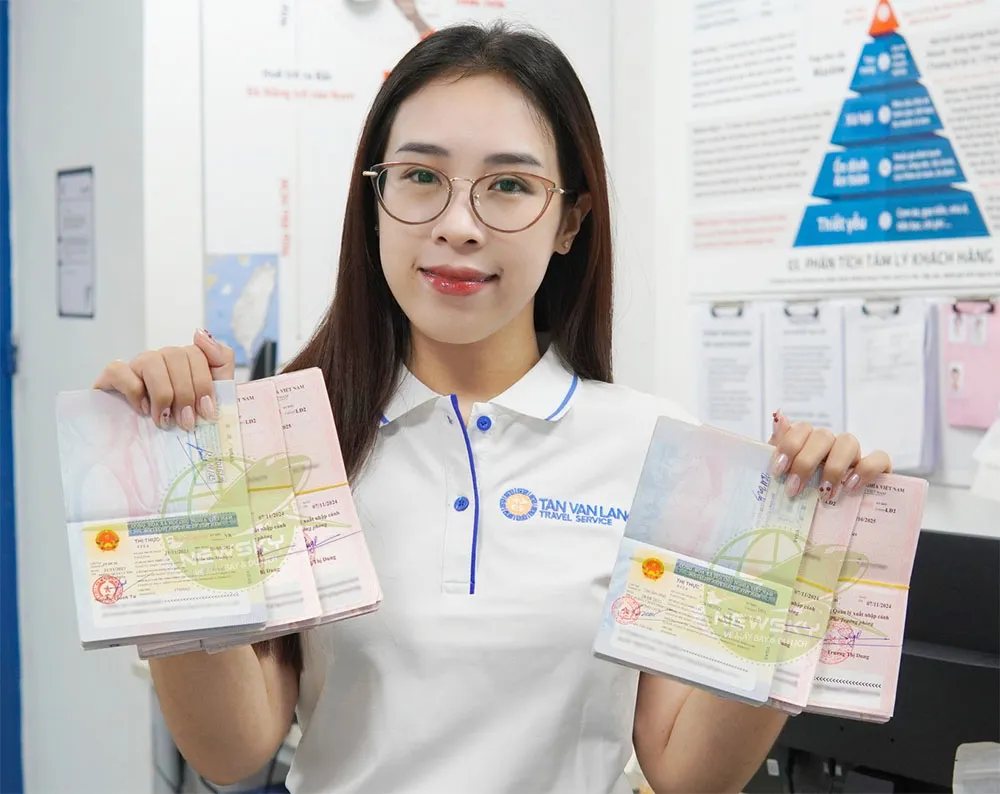
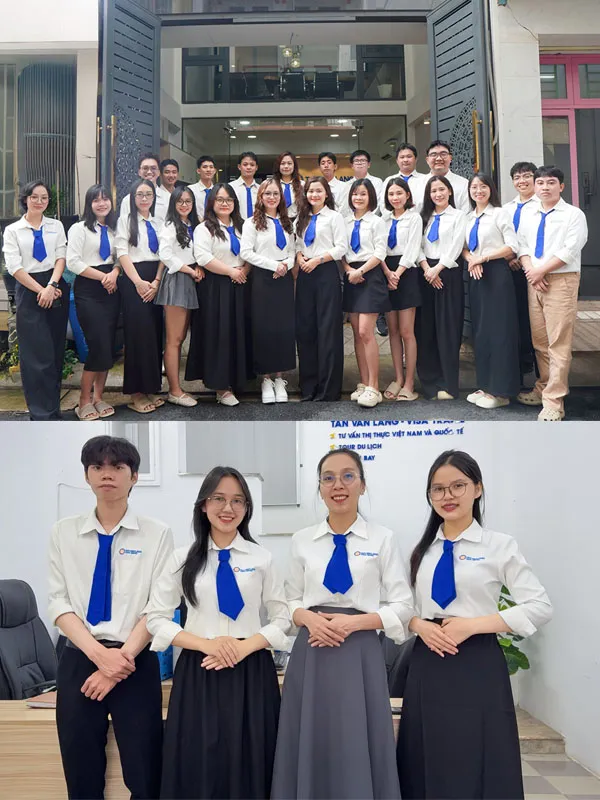
Reliable and Professional Visa Services for Foreigners at Tan Van Lang
Visa extension and temporary residence card (TRC) for students
Extending a Vietnam student visa
If you’re continuing your studies and your visa is near expiry, an extension is often possible with:
Passport
Extension application form
Updated enrollment confirmation from your school
Photos
Required fees
The official processing timeline shown for certain immigration procedures is often around 5 working days once the file is complete.
Tip from practice: start the extension process at least 2 weeks before expiry to avoid overstay risk.
Student TRC (temporary residence card)
A student TRC can be a smarter long-stay option if you qualify and your school supports the submission. It reduces repeated visa extensions and can simplify local admin procedures during your studies.
Commonly 3–12 months, depending on your program and approval outcome. Many students extend while enrolled.
Do I need to prove finances for a Vietnam student visa?
Not always required in every case, but it can be requested depending on your nationality, submission route, and the reviewing authority.
Can I work part-time on a Vietnam student visa?
A student visa does not automatically authorize work. If you plan to work, check the correct legal pathway with your school and immigration compliance.
Can I switch from a student visa to a work visa after graduation?
In many cases, yes—if you have a Vietnamese employer willing to sponsor the next status and you meet the legal requirements.
If you’re planning to study in Vietnam and want your Vietnam student visa (DH) handled cleanly—correct documents, correct submission route, and clear timelines – contact Tan Van Lang via 08.666.000.63 (WhatsApp) . We’ll review your case, tell you what’s missing (if anything), and move forward with the safest option for your entry date.





 Expat living in Vietnam visa: A detailed guide for foreigners 2026
  Do I need work permit or visa Vietnam? A detailed guide for foreigners 2026
  Differences of Work permit vs work visa Vietnam 2026
  Differences of Vietnam visa Single entry vs Multiple entry 2026
  Vietnam visa for 5 years: Guide, Fees & Requirements 2026
  Vietnam visa for Maldivians citizens 2026: Guide, Fees & Requirements